
Jewelry Shop Rates vs Spot Price: Understanding Making Charges (Al-Masnaiya)
Why is the retail price of gold higher than the internet rate? Learn how to calculate and negotiate Al-Masnaiya (making charges) in KSA and UAE.
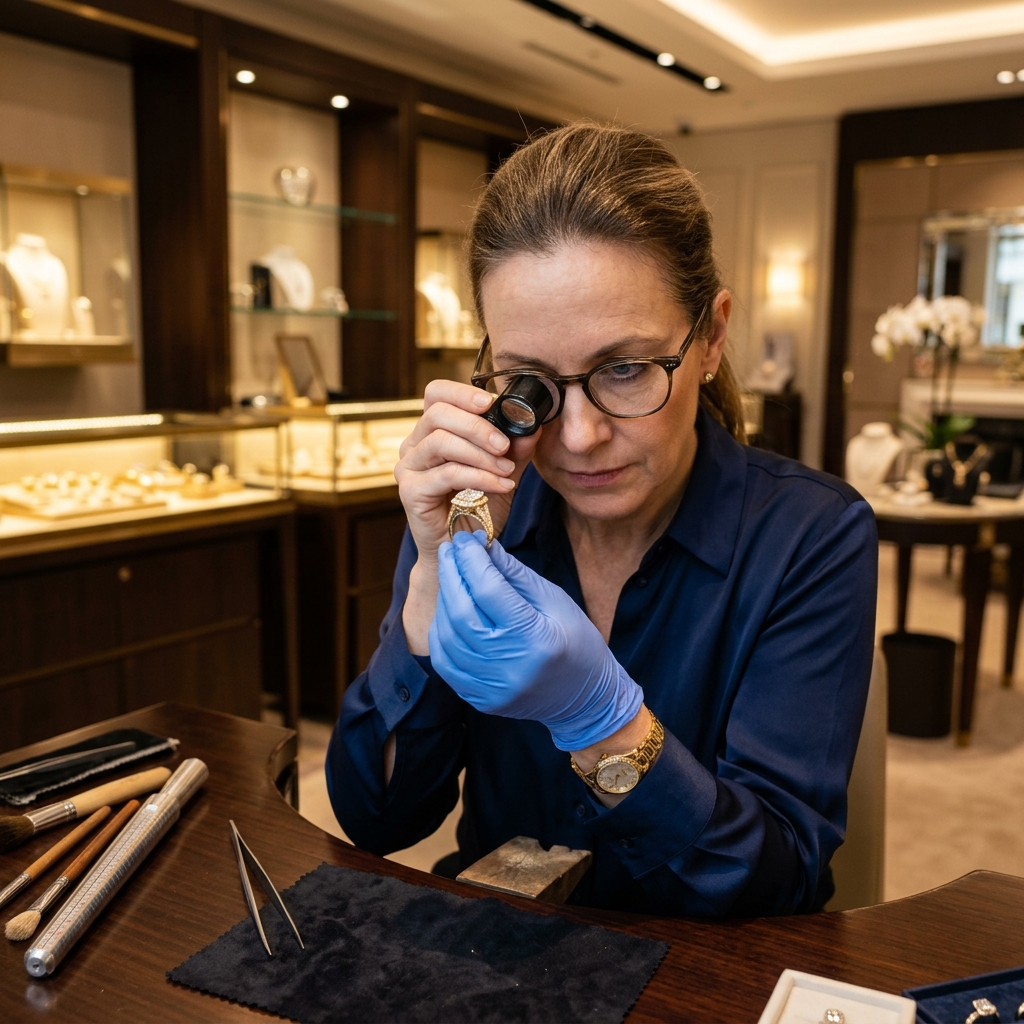
A common point of frustration for gold buyers occurs when they check the live gold rate on their phones, walk into a jewelry shop, and realize the quoted price is significantly higher. This discrepancy is not a scam; it is the fundamental business model of retail jewelry. When you buy a gold necklace, you are not just buying raw metal; you are paying for the artistry, labor, operational costs, and profit margins of the jeweler. This premium added on top of the raw gold spot price is called the Making Charge, or in the Arab world, Al-Masnaiya (المصنعية).
Failing to understand how Al-Masnaiya works is the easiest way to overpay for jewelry. Whether you are buying a simple 22k investment bangle or an elaborate 21k bridal set, the making charge dictates the final profitability of your purchase. The more complex the design, the higher the human labor involved, and consequently, the higher the premium. Let's break down exactly how these charges are applied across the Middle East.
How is Al-Masnaiya Calculated in the Gulf?
Making charges are generally calculated in one of two distinct ways by local jewelers:
- Flat Rate per Gram: The jeweler adds a fixed fiat amount (e.g., 30 SAR or 25 AED) to every gram of gold purchased. This method is highly transparent and is extremely common for machine-made chains, standard bangles, and mass-produced rings.
- Percentage of Total Weight: The jeweler charges a percentage (e.g., 8% to 20%) on top of the raw gold value. This method is typically applied to highly intricate, handcrafted bridal sets, bespoke designer pieces, and jewelry featuring delicate filigree work.
Why do Brands like Malabar Charge Differently?
Many users search for specific brand rates, such as the malabar gold rate ksa or L'azurde prices. While large corporate retailers source their raw gold at the exact same international spot price as local souq vendors, their final retail prices differ drastically. Premium brands invest heavily in certified diamond grading, extensive after-sales service, massive showrooms in premium malls, and exclusive designer collections.
Consequently, their making charges are naturally higher than an independent vendor in the Deira Gold Souk or Riyadh's Batha market. You are paying a premium for the brand reputation, the lavish shopping experience, and the guarantee of corporate accountability.
The Ultimate Guide to Negotiating Making Charges
Here is the absolute golden rule of buying jewelry in the Middle East: The live spot price is fixed, but the making charge is highly negotiable.
1. Always check the exact live rate for your specific karat (21k or 22k) on KaratIndex before entering the shop.
2. Ask the jeweler to place the item on the scale and declare the total weight.
3. Multiply that weight by the live spot rate on your phone. This gives you the absolute raw metal value.
4. Subtract this raw metal value from the jeweler's final asking price. The remainder represents their making charge and the 5% VAT.
5. Negotiate that specific remainder aggressively. Tell them exactly what their making charge is per gram, and offer a lower counter-premium.
By isolating the making charge from the raw metal value, you strip away the confusion. You transition from an emotional buyer to an informed negotiator operating from a position of absolute data-driven strength.
Frequently Asked Questions
What is Al-Masnaiya?
Al-Masnaiya is the Arabic term for 'making charge.' It represents the cost of labor, design, and profit margin added by the jeweler on top of the raw gold spot price.
Is the making charge negotiable in Saudi Arabia and the UAE?
Yes. While the live spot price of the gold itself is rigidly fixed to global markets, the making charge is almost always negotiable, especially in traditional gold souks.